

In the past 10 years, the number of households actively participating in outdoor hospitality has increased by 21.6 million, or 68%. Considering major societal events like a months-long pandemic, the rapid rise of social media and concerns about screen time, and more awareness around mental health practices, it’s no surprise that people are eager for a mental break from screens and detached experiences. The draw of connecting with the outdoors in a way that feels comfortable, easy, and meaningful while making authentic connections with nature and with others is hard to resist.
As more people seek out outdoor hospitality, the need for resilient, sustainable sites designed for the user’s desires are in increasing demand. This emerging market is an opportunity for developers to expand into the vacation destination space, regardless of their size or location.
Matt Small, Director of Landscape Architecture at RVi Planning + Landscape Architecture, is excited about the uncovered opportunities in outdoor hospitality and his firm’s ability to create customized experiences in nature.
“We’ve got a lot to offer in terms of best practices, variety of work nationwide, experiential design, and understanding what’s important to the end user,” Matt says. “Outdoor hospitality is a fast-growing market, and I believe it’s going to evolve over time. It’s important for developers to partner with firms that can offer innovative designs resulting in a functional, technically-sound space.”
In outdoor hospitality, sustainability is expected, but climate-positive design is the goal
Many of the current outdoor hospitality offerings tout sustainable options, which is a vital component of preserving the environment in these spaces. However, as outdoor hospitality evolves, it will be more important for spaces to focus on climate positive design and regenerative travel options as well.
“Sustainability means the area we’re designing for will be preserved at its current state, maintaining its integrity so it can keep functioning at the same quality,” Matt explains. “Resiliency takes that one step further–it’s designing so that the space is not only preserved and maintained, but can also recover and thrive as conditions change.” The industry is quickly shifting toward experiences that focus on regenerative travel to leave the world a better place and give back.
A focus on resiliency is a pillar of RVi’s design approach, which starts with identifying sites that will last, then designing in a way that will maintain the integrity of the environment. Not only is this good for the earth, but it also allows visitors to continue enjoying a site for years to come.
According to Matt, resiliency increases the staying and buying power connected to nature–the more authentic and natural a site is, and the longer it can stay that way, the more people are willing to spend for that experience.
“We want to create places that are beautiful but secure; a place that feels like a new adventure but also like a second home,” Matt states. “Reliving those feelings of serenity, beauty, comfort, and happiness is made possible when an outdoor hospitality site is designed with sustainable and resilient intentions.”
An experiential design approach centers around what travelers want
A successful outdoor hospitality site gives visitors what they need and what they want. Manifesting those demands into a land plan that will attract users again and again is a key part of RVi’s design approach. Leveraging the needs and preferences of the end user into a differentiated position for clients means that a multitude of design options can be made for a multitude of people in a variety of spaces.
“We know that every client will have a unique vision for the land and how they want people to interact with that land,” Matt says. “Focusing on experiential design means we consider the environment and the human experience to design sites in a way that engages people while creating a positive experience.”
Jellystone Park at Larkspur is a masterfully executed site based on experiential design. As part of the Jellystone brand that includes more than 75 other Jellystone locations, it was important to understand how to differentiate this particular location from all the others. Matt’s team focused on designing for multiple experiences that multiple demographics could enjoy, while integrating the surrounding views and unique location of the site. The site plan includes numerous activities, such as a water park, mini golf course, yoga lawn, escape rooms, and gem mining. The layout is organized and easy to navigate so that users can experience as much of the park and its surroundings as possible, while creating a dramatic sense of arrival.
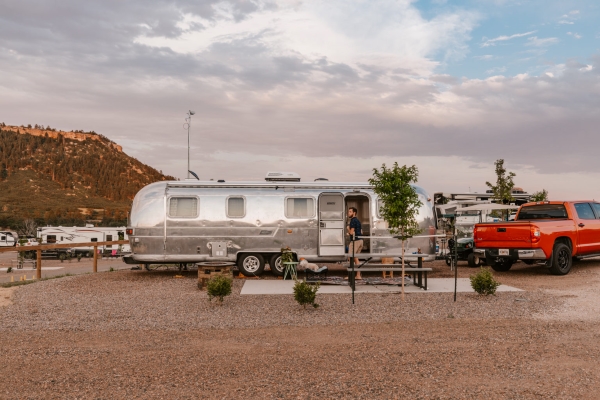
Visitors to Jellystone Larkspur (pictured above) can experience much of the Rocky Mountain views from multiple areas of the site.
Turning big ideas into practical spaces that still create emotional connection
Big ideas are great, but executing them well the first time is even better. The amount of technical, practical knowledge that goes into designing comfortable, picturesque sites cannot be underestimated. Creating thorough processes and having access to talented engineers, like RVi has with the engineering firm Atwell, ensures that the impressive site layout you have in your head becomes an impressive, structurally-sound site in real life.
“We’ve got a nationwide presence, which gives us access to skillsets and resources across the country to create a site that aligns your desired aesthetic, function, and emotional appeal,” explains Matt. “We know how to get things built right and built well the first time.”
An example of this is Sun Outdoors Rocky Mountains, a 326-acre luxury resort with 440 campsites in Granby, Colorado. The team at RVi developed a successful water strategy with Atwell to provide a supplemental irrigation system. They also tailored designs to fit the high elevation; planned for wildfire habitat with landscaping that included plant communities that mimicked native species; and created unique amenity experiences in a safe and secure location that resonate with visitors even after they leave.
“Big clients like Sun have big expectations, and we keep our skills and knowledge sharp to bring those expectations to life,” Matt says. “The way we approach projects for leading companies is the same way we dedicate ourselves to smaller companies. No matter your size or location, we’re going to design a technically-sound, successful destination for you.”
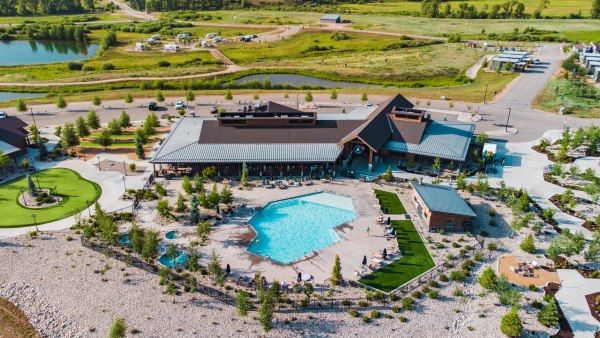
Implementing practical, technical design in large sites like Sun Outdoors Rocky Mountains (pictured above) can influence how much the visitor enjoys their experience.
Listening to the land, the client, and the consumer to create the best experience
A huge opportunity in outdoor hospitality is maximizing the current natural environment. A place like the US has a lot of diversity in terrain, climate, habitats, and population demographics. A scenic water experience can be achieved on the warm, sandy shores of Florida; the brisk, rocky coast of the Pacific Northwest; or the clear rivers surrounded by the Rocky Mountains of Colorado. The activities that draw people to those areas will vary, which will have an impact on the amenities and design for the desired sentiment. Finding the uniqueness a location has to offer provides a deeper understanding of how to restore and enhance the natural condition of a site.
“Finding that ‘secret sauce’ is what we do best—that happy intersection of understanding the market, the competition, and the land with the desires of the client at the optimal value,” Matt remarks. “It’s different for every project, but once you figure it out, you can create something magical that guests will love and remember.”
Starlight Haven, a mixed-glamping resort with unique customer stays, offers an intimate nature experience for their visitors. RVi’s site plan was built around curating key experiences based on the client’s target audience, location, and distinctive market position. The 20-acre destination resort in Texas has programing and amenities to take advantage of the prime location and natural features of the site.
The end result was a premium resort that used the natural topography and vegetation to create a feeling of exclusivity and beauty while promoting a resilient environment.
“We use experiential design to tell the story of the land to the visitors experiencing the site,” Matt explains. “When they arrive, they can immediately understand that this is a place they want to be. It keeps them actively engaged and connected to the land.”
Planning for the future of outdoor hospitality
Outdoor hospitality includes activities and accommodations that many are familiar with, such as camping, hiking, and a closeness to nature. However, the demand for elevated, personalized experiences in resilient environments is growing. As the market evolves, the need for experiential designs supported by technical expertise with an acute understanding of the land is more important than ever. RVi’s Outdoor Hospitality team wants to enhance the experience for clients and end users alike, and their experiences designing a variety of sites in multiple sizes and landscapes means your vision for a destination resort vision that people can enjoy with their family, friends, colleagues, or solo can come to life sooner than you think.