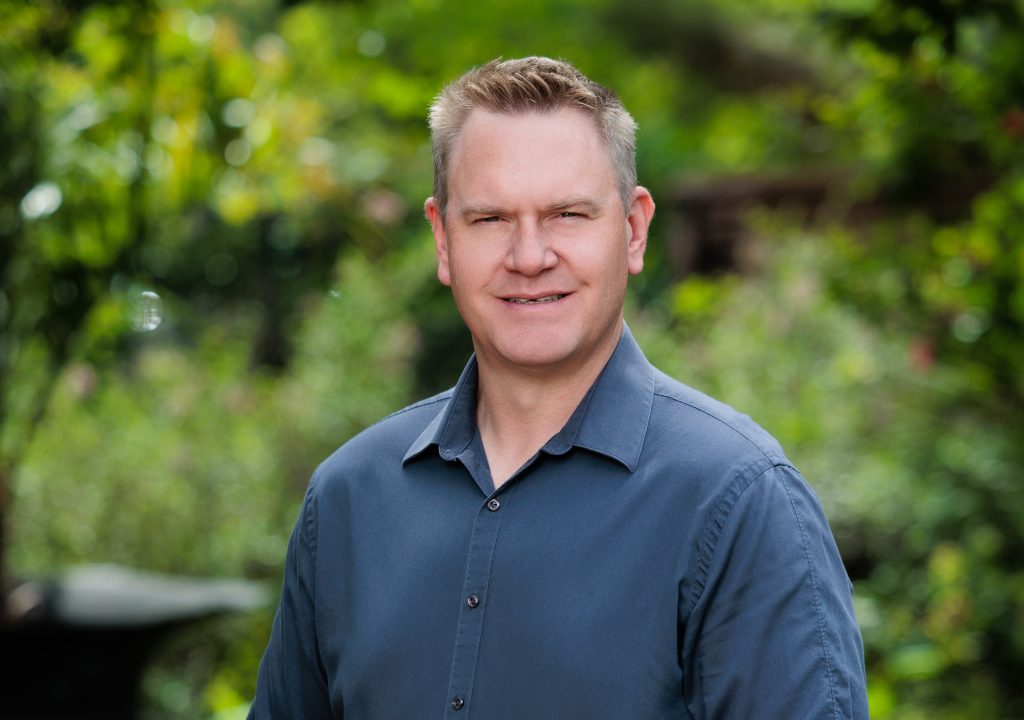
Throughout his 30-year career in landscape architecture, Nathan (Nate) Starck has witnessed the many ebbs and flows of the hospitality industry, giving him a nuanced perspective on what clients want, what guests value, and how to design spaces that elevate both. In this Employee Spotlight, Nate, an Associate Principal based in RVi’s Denver office, shares career highlights, his passion for hospitality design, and how he and his team stay ahead of shifting industry trends.
What inspired you to pursue a career in landscape architecture?
I grew up in a farming and ranching family whose livelihood was working with the land to grow crops for livestock and our community. I discovered landscape architecture when I was 16, while searching for a career that would allow me to stay connected to the land, explore my creativity, and shape the built environment.
I was fortunate to land an internship at EDAW in Fort Collins during my junior year of high school. For the next six years, I worked under a group of incredibly creative professionals who introduced me to landscape architecture, water feature design, and irrigation design. I was hooked.
What do you enjoy the most about your work?
I’ve always loved the challenge of design and the creative problem-solving that comes with it. As landscape architects, we’re a blend of many professions – each project demands a holistic approach to problem-solving. I enjoy the collaborative process of design, the way each project becomes part of a larger story. The ultimate reward is watching people interact and enjoy a space that you have helped create.
What has been a challenging aspect of your role or the industry?
Navigating the ever-changing regulatory landscape. As communities grow, they face increasing social and economic pressures, and that’s reflected in evolving regulations. Here in Denver, many of the regulations have good intentions but can also present real design challenges that directly affect the people who live here.
Our role is to continue to stay informed, overlay those constraints onto our designs, and focus on what is best for the user.
What makes hospitality projects different from others you’ve worked on?
Hospitality design puts the guest experience at the heart of every decision. From arrival sequences to purposeful amenities, everything is crafted to create a curated, memorable experience.
While most projects come with a standard set of program elements, no two hospitality sites are alike – each one has its own story, setting, and countless opportunities to elevate the experience through thoughtful design.
Do you have a favorite hospitality project?
I don’t think I could choose a favorite. Each one is unique and creates its own type of guest experience. But I do vividly remember my first professional step into the hospitality sector.
It was a ranch resort project near Tucson, Arizona, located in a pristine 1,200-acre gated community in the Tortolita Mountains. This site was said to have the highest concentration of saguaro cacti per acre in the entire Sonoran Desert, which was pretty cool for a kid from a high prairie state eager to learn about different ecosystems.
The arrival experience was key. The lead designer, a brilliant architect and visionary, explained we were going to drill a tunnel through the mountain and profile the road so that guests would enter without seeing what was on the other side. The idea was that the landscape would reveal itself upon exit, rising dramatically out of the darkness. My first reaction was, “Can we do that?”
The concept was all about luxury, immersion, and creating a sense of wonder for guests who wanted to experience the best of desert-living. Unfortunately, the project became a casualty of the Great Recession and never became a reality, but it was my first professional step into the hospitality sector and introduced me to new landscapes, wildlife, and sparked my passion for hospitality design.
How have you seen hospitality design trends shift in the past decade?
Wellness and connection to nature have moved to the forefront of hospitality design. Years ago, brand standards largely drove the design process. Today, wellness isn’t just a luxury add-on, it’s at the core of the guest experience.
More recently, we’ve seen successful boutique properties lead the way by building compelling narratives first, then designing custom experiences that bring those stories to life. That storytelling element is now influencing projects across the board.
How do you and your team stay ahead of those changes while supporting clients?
There’s no substitute for real-world experience. We travel as often as we can to visit projects, stay in different types of properties, and understand firsthand what’s resonating with today’s guests.
We also attend regional and national hospitality conferences, where we connect with clients and learn from industry leaders about their design strategies and emerging trends.
What made you choose RVi?
The people and the culture. RVi is filled with incredibly talented individuals who serve as great resources across the country.
I also appreciate our design-first approach, keeping strategy and user experience at the heart of the process. Each of our offices brings its own regional strengths, but we’re united in our goal: to do great work and leave a legacy we’re proud of.
What are some of your professional goals?
I want to continue growing as a design-focused leader within RVi’s Hospitality Sector and serve as a mentor for the next generation of professionals.
The push into BIM (Building Information Modeling) for landscape architecture is upon us, and I’d like to help expand RVi’s capabilities in that space.
What’s a fun fact your colleagues might not know about you?
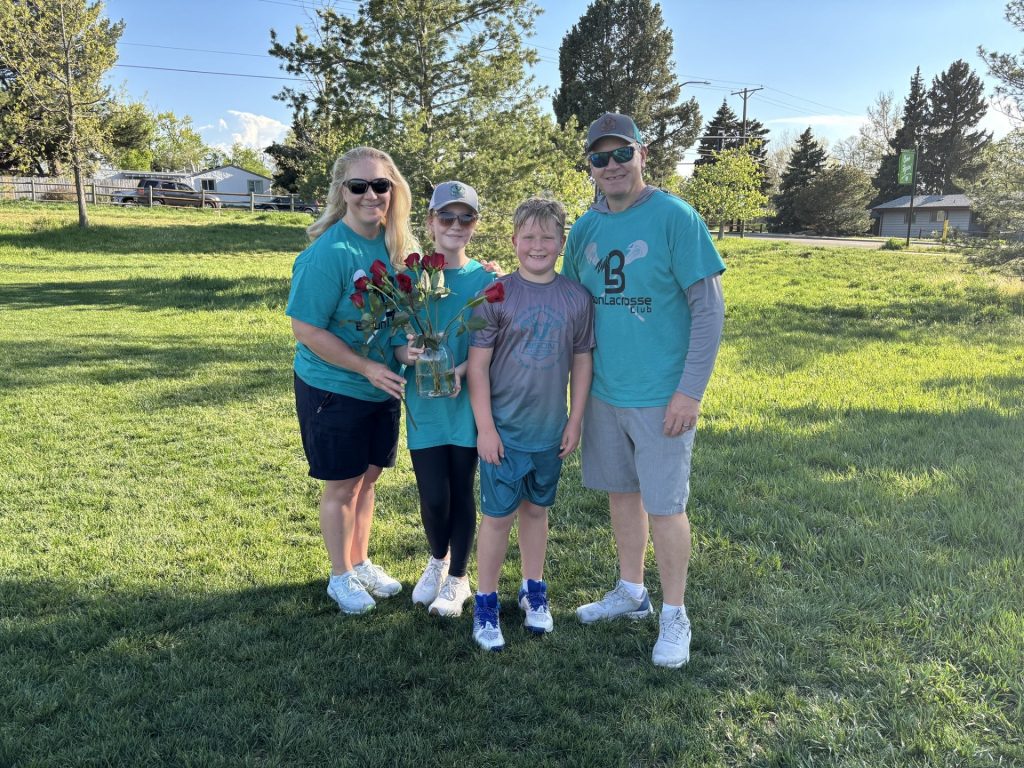
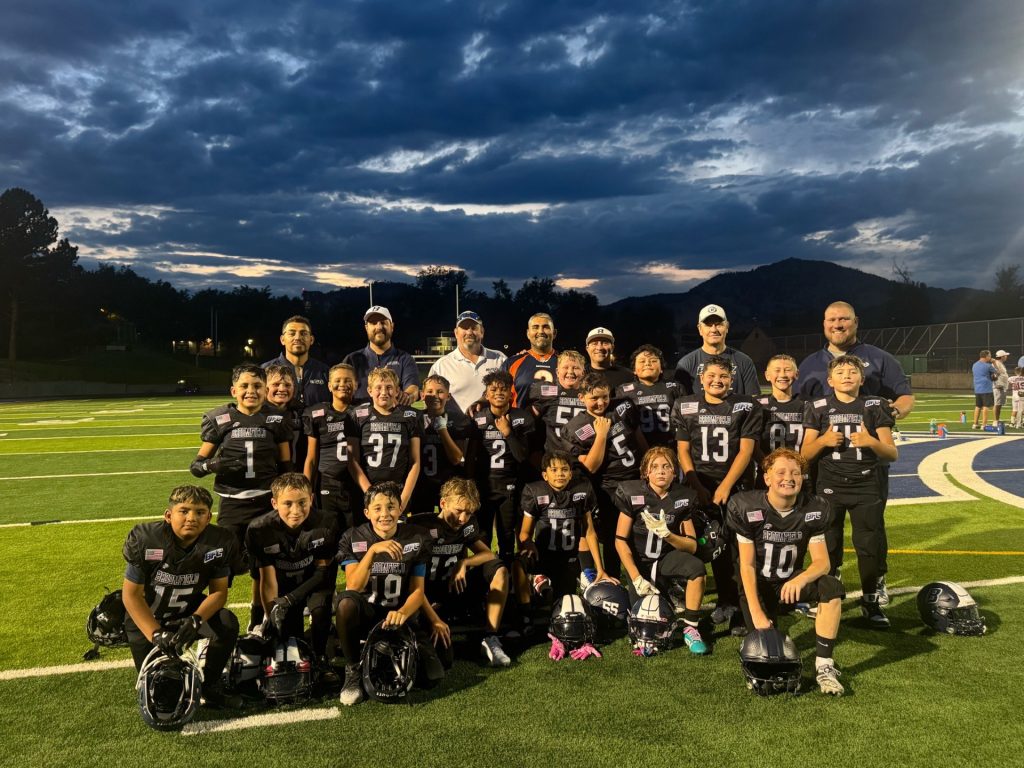
Coaching youth sports has become a big part of my life outside of work. I’m currently an assistant coach for the #2-ranked fifth-grade football team in Colorado, and in the spring, I serve as head coach for a lacrosse team.
When I’m not coaching, I’m usually knee-deep in home improvement projects or out in the mountains.