
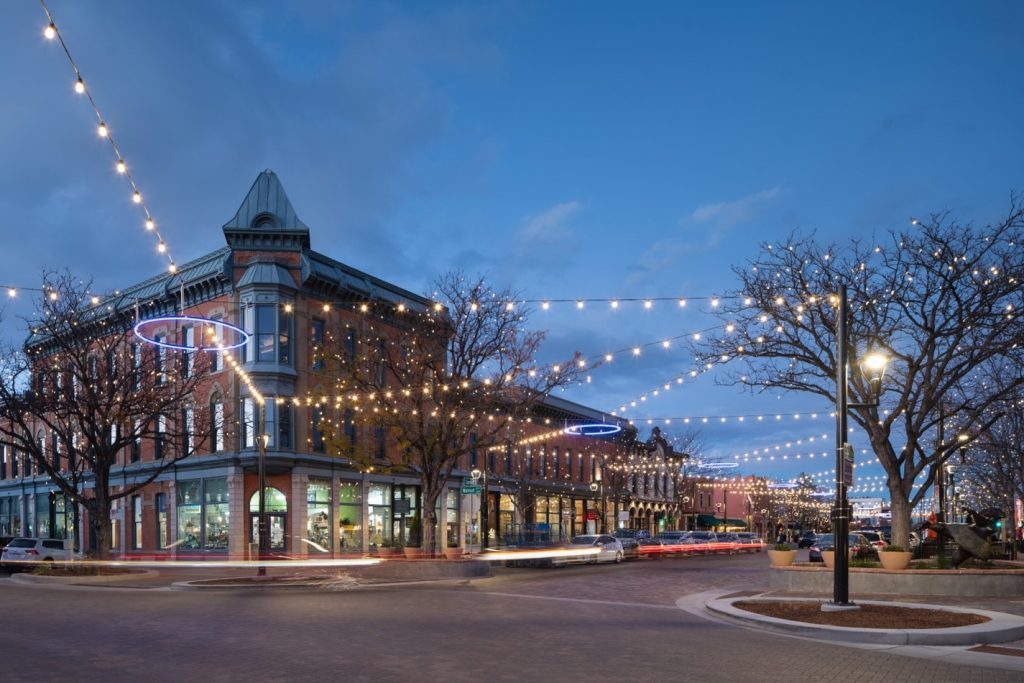
The four pillars of a successful downtown
A vibrant downtown district is the cultural heart of the city and an engine of economic vitality. It’s where the identity of place emerges and where community is celebrated. When people enjoy spending time downtown, they patronize local businesses and accelerate the local economy. Public and private investment forms a cycle of vitality when cities invest in people-places—businesses thrive, culture evolves, and tax revenues add up to reinvestment.
Successful downtown development is maintained by this state of urban symbiosis, where the inter-related threads of economics and community grow together and reinforce one another. It can be achieved through downtown planning processes rooted in a people-first mindset and authentic placemaking strategies.
“The critical objective is investing in people places, where people want to gather and are comfortable spending time,” says Craig Russell, Principal at RVi.
Russell and Will Wagenlander, Director of Planning at RVi, have worked closely with numerous municipalities, developers, and downtown development authorities (DDAs) focused on creating the conditions for communities to thrive. For both Wagenlander and Russell, a successful planning process focuses on four principles:
- Pedestrian experience
- Safety and comfort
- Character and place
- Economic vitality
With these principles in balance, capital investment becomes the catalyst for long-term development.
“When we work with DDAs on both a redevelopment plan and a user-driven plan for public investment, we’re really outlining a future for the entire downtown district,” says Wagenlander.
With the right planning, implementation, and funding strategies, the future Wagenlander describes can bear significant returns, both socially and economically.
Public investment as a catalyst for private development
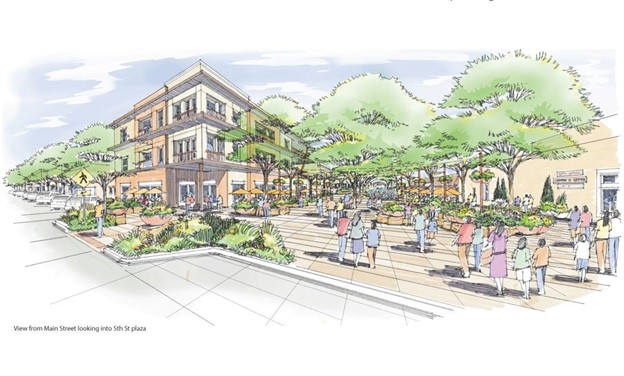
Public investment draws private investment. The Town of Windsor’s downtown redevelopment planning brought developers to the table before the plan was even complete.
Public investment in downtown infrastructure can spark the cycle of sustainable development. People spend time in places that are comfortable, safe, and walkable. They can be drawn in to attractive storefronts and community spaces that highlight the city’s dynamic character. The foundation is in sidewalks and streetscaping, lighting, open spaces, and the utilities that allow businesses to function.
Investing in these assets can signal to developers that the downtown is ready to grow, attracting additional private investment. The Town of Windsor, Colorado’s downtown master planning efforts drew immediate interest.
“In Windsor, we had developers coming to the table saying, ‘hey, we want to be a part of this,’ even before the plan was finished,” says Wagenlander. “They saw the potential right away.”
Sometimes private momentum appears first. When commercial developers start projects in up-and-coming downtown settings, municipalities can add value through public-private partnerships. In these cases, the municipality recognizes the overall growth impact that the new development will bring, and steps in to fund some of the necessary infrastructure. By supporting development projects with amenities and infrastructure renewal, a municipality helps create the environment for new development to thrive, while also positioning itself to accommodate the growth.
When investing in infrastructure, public entities have the most impact when prioritizing the user experience through safe, comfortable, and walkable downtowns that inspire local spirit.
Prioritizing the pedestrian experience
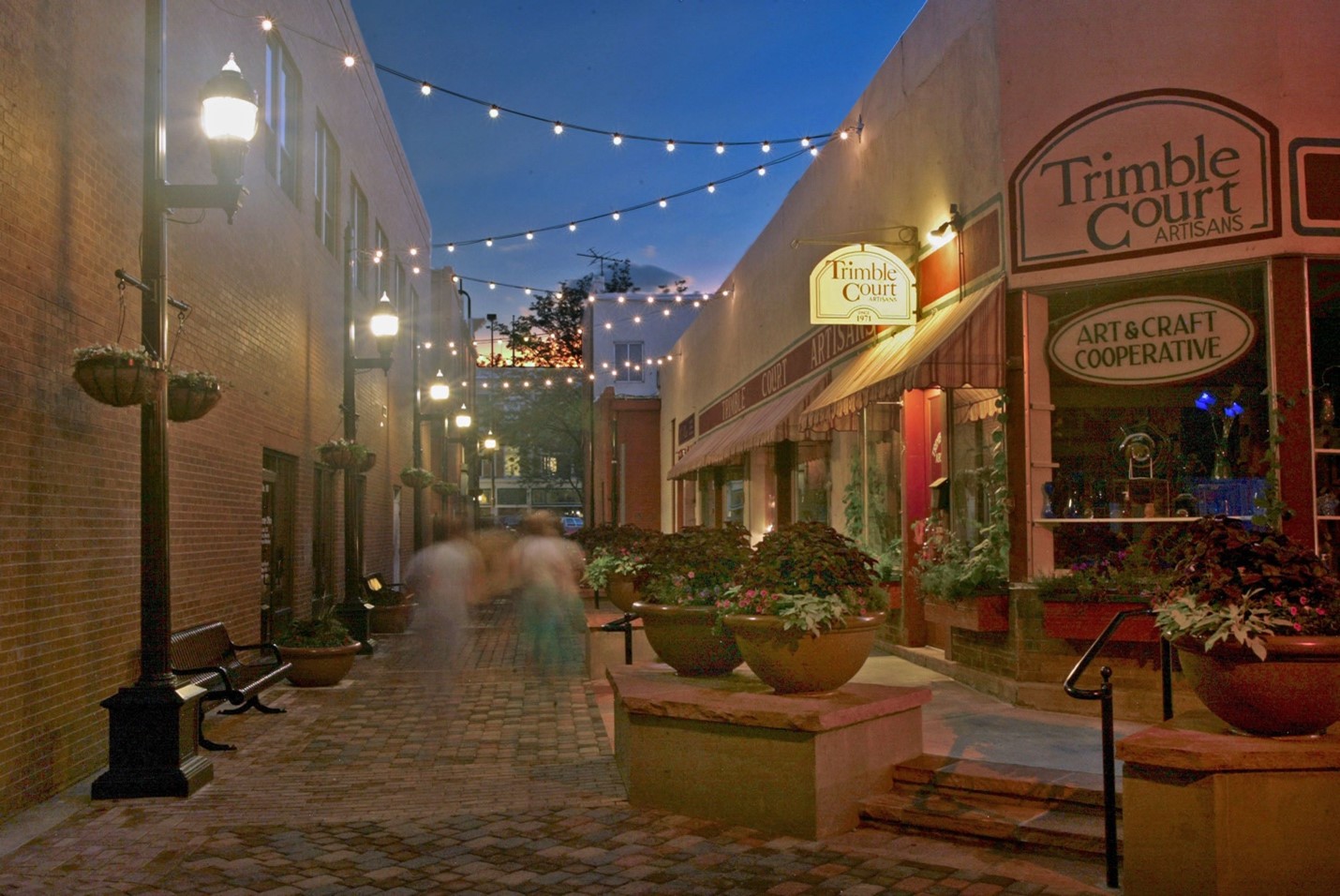
A pedestrian-first mindset in the city of Fort Collins brought walkability and placemaking to the alleyways in the Alleyway Improvements project
Pedestrian experience is paramount to a vibrant downtown with sustainable economic vitality. Through wider sidewalks, patio treatments, lighting, and amenities in public spaces, municipalities can contribute to the overall sense of comfort and safety.
“The most successful public investments I’ve seen are the ones where the city comes with a pedestrian-first mindset,” says Russell.
The goal is to create spaces that reduce any type of stress for people on foot, giving them a safe, welcoming atmosphere to pause and take time, eat, linger. Including provisions for patio seating on sidewalks and activated storefronts bridges the gap between visitors and businesses, helping people become patrons.
Comfort and perceived safety goes beyond having accessible storefronts and plazas. Traffic and multimodal design should be factored into broader planning and streetscaping strategies. Prioritizing walkability does have its tradeoffs with traffic flow and street parking, but with all elements considered during the master planning stages, downtowns achieve a balance with a pedestrian-first mindset. Based on RVi community survey data across several downtown redevelopment projects, people prefer experience over parking.
“From a user standpoint, people understand that when they’re coming downtown, they’ll be parking somewhere and then walking the rest of the way,” says Wagenlander. “We’ve seen that people are okay with that. They expect it. They feel safer.”
Investment in pedestrian experience brings measurable economic impact. For example, Russell has seen long-term increases is sales tax revenue up to 30 to 50 percent, and in some instances, significantly more.
The City of Fort Collins, for example, established an ordinance prioritizing pedestrians above vehicle traffic as part of its downtown master planning.
“Essentially, the City decided that slightly slower vehicle speeds were okay because it cared more about a comfortable and rich pedestrian environment,” says Russell. “It was a big step, and when you don’t have that mindset, you see less ROI in the long run.”
With subsequent pedestrian-focused projects including the Linden Street Renovations and Downtown Alley Enhancements, the City of Fort Collins has continued to generate increasing sales tax revenue that spurs further investment in its award-winning downtown district.
Investing in authenticity
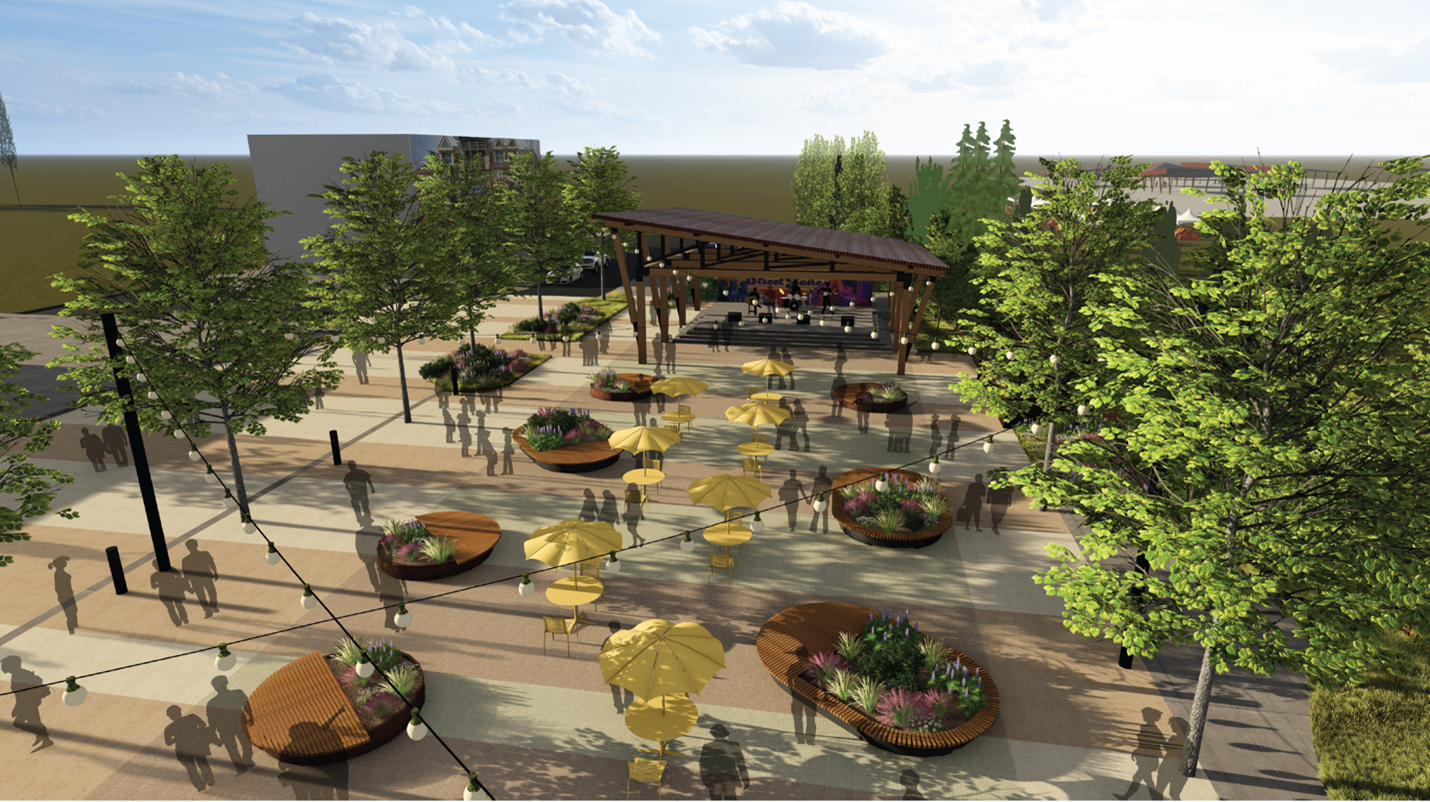
The City of Louisville showcased authentic character through adaptive re-use of remnant materials from its mining history.
A downtown plan can have several of the markers of success—walkability, attractive streetscaping, private investment, the list goes on. Without genuine character, however, districts fall flat.
“We’ve all been to these places that have a main street feel, but it’s just not the same without authenticity,” says Wagenlander.
Creating a unique experience that stays true to the fabric of the community builds genuine interest and inspires civic pride. It becomes a destination for visitors to experience, and for locals to return. With the potential to become the cultural center of the community, downtowns can reflect and elevate that character through authentic placemaking strategies. Places that leverage the history of the community in the architectural aesthetics and social context tend to attract repeat visitors.
In the example of Lousiville, Colorado, the city’s rich mining history played a major role in streetscaping and downtown aesthetics. Remnants of historic, timber-framed buildings were incorporated into design, connecting past with present to establish a unique sense of place that preserves and enhances its history.
“We’re walking the line between creating something new and highlighting the past,” says Wagenlander. “What makes that place special, but still evolving? That’s what we try to answer.”
Balancing an understanding of where a community has been, where it is now, and where it aspires to be can frame the vision that guides planning. That vision cascades into nuanced details that shape genuine experiences through things like public art, signage and wayfinding, and materials used in everything from building facades to textured sidewalks.
Weaving these principles into design guidelines helps establish a unified, but nuanced, sense of place. Unity, with the right amount of variety, it what ties places together at scale.
Development authorities to drive revitalization
Given the complexity and number of stakeholders in a downtown revitalization project, sustainable vitality benefits from a coordinated effort. This is where Downtown Development Authorities can champion the effort and balance the interests of the city, the developers, and the people. DDAs bring a focused expertise in establishing funding strategies for impactful investment.
Mill levies, tax incremental financing (TIF) districts, and commercial property taxes collect smaller investments from a variety of sources, adding up to major investment in downtown development. The city of Fort Collins is just one example where the development authority annexed a commercial property before it was developed. It ties back to the symbiotic relationship in downtown development:
“A tiny percentage of commercial property taxes added up to help pay for a lot of the new investment downtown,” says Russell. “We’ve got direct evidence that sales tax revenues increase and vacancy rates go down after the downtown improvements. Everybody wins.”
A future built around people
Investing in downtown development brings more than financial returns. It lays the groundwork for communities to flourish and new civic identities to emerge. Downtowns thrive when development centers around the four principles of pedestrian experience, safety and comfort, character and place, and economic vitality.
When these address the needs and desires of the community, while accentuating its dynamic character, it leads to a self-sustaining cycle of further investment and prosperous growth. Public investment lays the foundation, private investment brings momentum, and the guidance of DDAs sets the vision and define the path forward.