
By Matt Small, Director at RVi
As landscape architects and environmental stewards, our work goes far beyond creating beautiful places. Every decision we make has the potential to support biodiversity, conserve water, bring people together, and strengthen the resilience of the environments we shape.
One of the most impactful ways we can boost that resilience is by integrating native ecosystems and pollinator habitats into our designs. These spaces not only support essential pollinators but also improve the long-term health and adaptability of the landscapes we work in, emphasizing overall ecosystem services.
At RVi, we’ve seen firsthand how transformative pollinator habitats can be when thoughtfully woven into new or existing spaces. Through our partnership with the Butterfly Pavilion, we’ve developed strategies, tools, and led conversations that help our clients understand the value of these habitats and how to bring them to life on their own sites.
The Power of Pollinator Habitats and Ecosystem Services
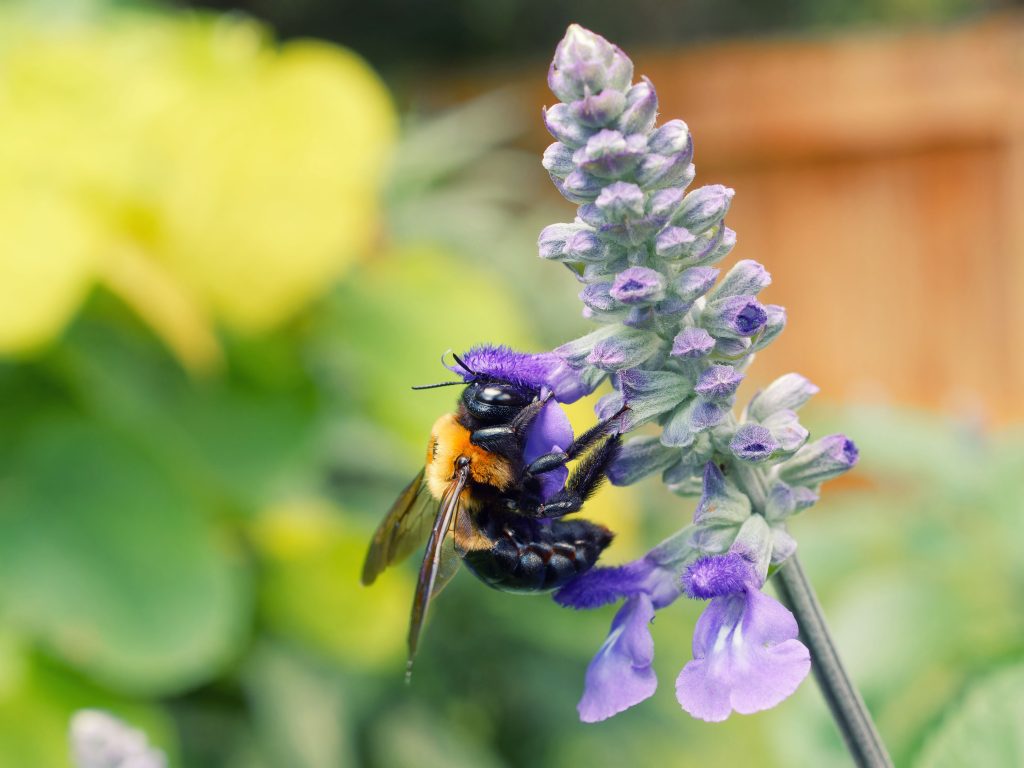
Ecosystem services and pollinator habitats support biodiversity, enhance food production, improve air and water quality, and strengthen climate resilience by sustaining natural processes critical to both human and environmental health. Pollinators like bees, butterflies, moths, beetles, and even birds are essential to plant reproduction. They transfer pollen between flowers, helping plants produce fruits, seeds, and new growth. In fact, about 75% of flowering plants and over a third of our food crops rely on them.
But climate change, habitat loss, and urban sprawl are putting pressure on native habitats and pollinator populations. That’s where landscape design plays a critical role. When we create spaces that focus on ecosystem services and support pollinators, we also create healthier, more resilient landscapes that are better equipped to handle environmental stressors over time.
It’s not just about planting a single pollinator garden. To truly support pollinators, we need to think beyond standalone spaces and focus on connectivity. Just as we rely on roads and trails to get around, pollinators depend on habitat pathways to migrate, find food, and adapt with the seasons. These “pollinator highways” are key to keeping ecosystems thriving year-round.
Seeing the Potential in Every Site
Our collaboration with the Butterfly Pavilion has shaped how we think about and design for pollinator health. As the first stand-alone, AZA-accredited non-profit invertebrate zoo in the world, the Butterfly Pavilion brings scientific rigor to everything they do, including tracking insect activity to measure real-world impact.
Together, we wanted to create a user-friendly way for landowners and stakeholders to assess their sites. That led to a hands-on workshop we hosted at the Colorado Parks and Recreation Association Annual Conference. My teammate Nikki Garda and I partnered with Ashley White from the Butterfly Pavilion to show landscape architects, parks staff, and other attendees how to evaluate their properties for pollinator habitat potential. We also outlined the critical steps to transform underutilized spaces into pollinator pathways.
We developed a tool called the Pollinator Rubric, inspired by ecosystem service models such as the U.S. Green Building Council’s SITES Certification process. This scoring matrix allows users to assess habitat potential—low, moderate, or high—based on factors like plant diversity, water availability, and proximity to other green spaces. It’s a simple, structured tool that encourages a fresh look at underutilized land.
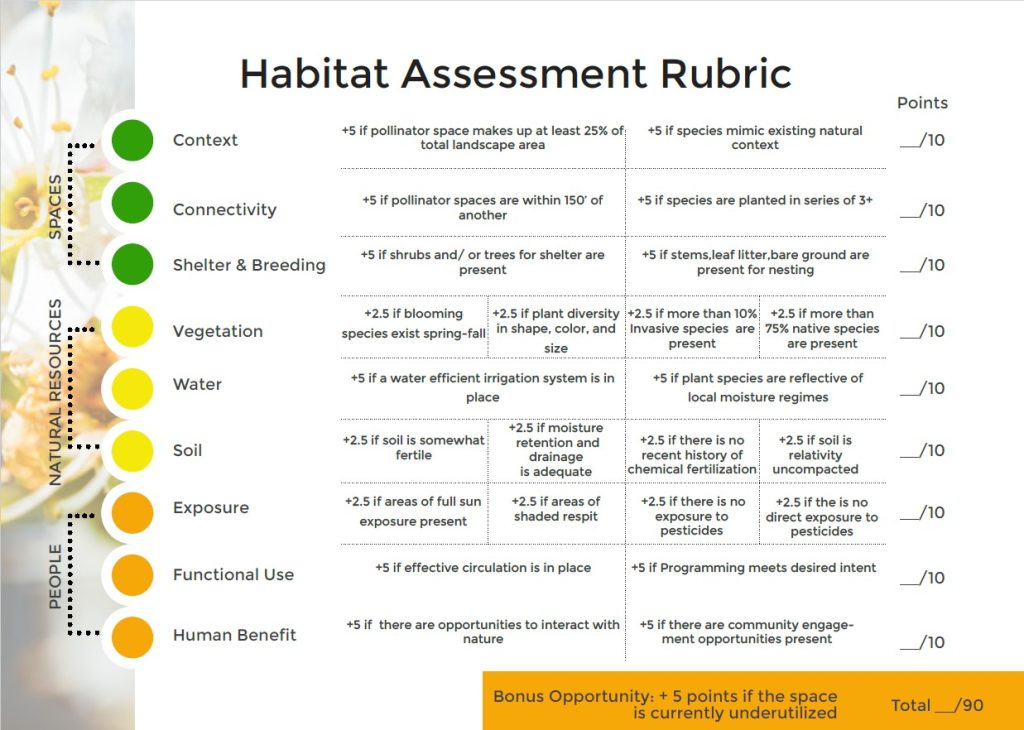
Real-World Impact: BioMed Campus in Boulder
One of our favorite examples is the BioMed campus in Boulder, Colorado’s largest-ever real estate transaction—a 23-building technology campus. The site originally featured a typical 1990s landscape with expansive turf lawns, monoculture tree plantings, and outdated foundation beds.
Working closely with the Butterfly Pavilion and BioMed, we developed a phased landscape improvement program focused on native habitat restoration, pollinator support, water conservation, and biodiversity. The effort includes building-specific site designs, tree planning, mobility strategies, and campus-wide initiatives to reduce water usage and maintenance.
So far, we’ve completed upgrades for five buildings. Three native habitats are being restored this summer, with two more planned. This is all part of a five- to seven-year vision aligned with BioMed’s ESG and sustainability commitments. For tenants, it’s about more than aesthetics—it’s about creating meaningful connections between indoor and outdoor spaces, which is central to Colorado’s culture and lifestyle.
This project demonstrates what’s possible when we view everyday spaces through a different lens. The result is a more sustainable, engaging, and dynamic place for both people and pollinators.
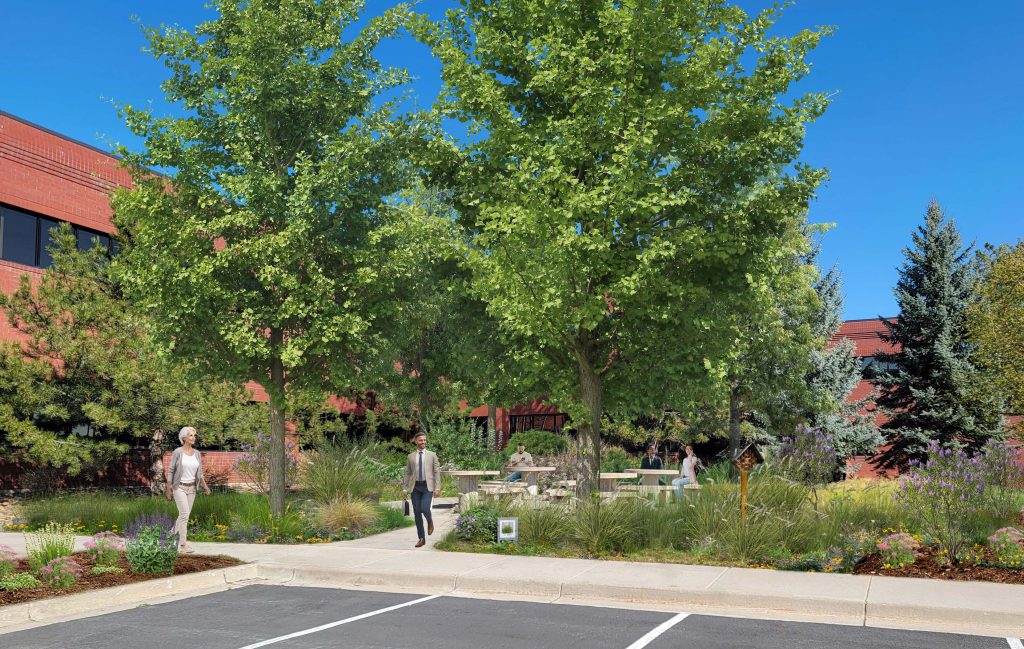
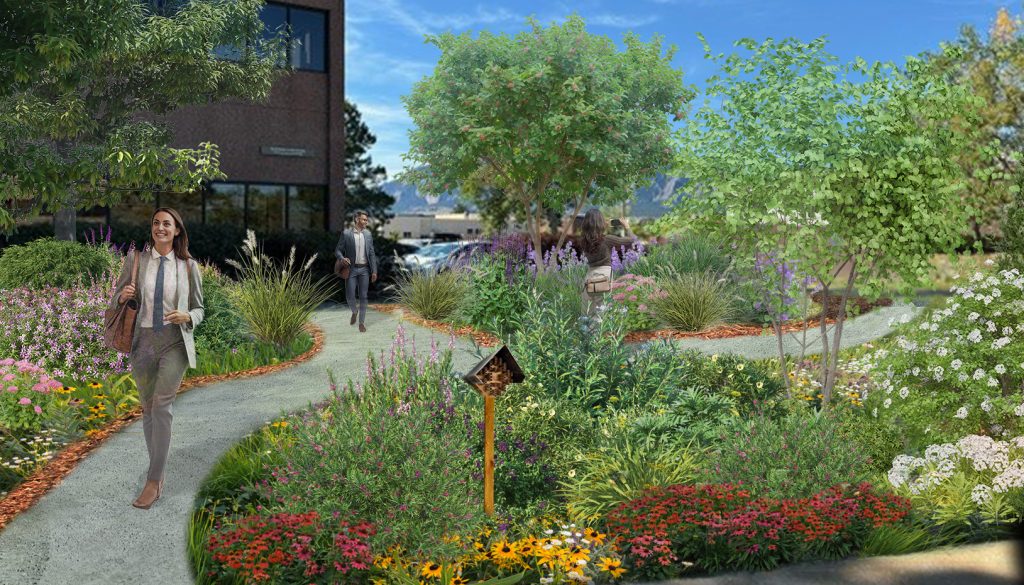
Figure 1BioMed campus in Boulder, Colorado
Creating Connected Ecosystems
A common misconception is that pollinator habitats need to be large to make a difference. But the real power lies in networks of smaller, well-connected spaces working together.
Pollinators migrate and move with the seasons, requiring consistent access to resources. By creating pollinator highways, we help them survive and thrive regardless of the size of each individual space.
In Colorado, where water conservation is always top of mind, pollinator-focused design offers multiple benefits. Using native plants and site-sensitive strategies reduces water use and maintenance costs while supporting local ecosystems.
This mindset has reshaped how we design at RVi. We’re still focused on creating beautiful, functional spaces, but now we ask, “How can this place contribute to something bigger?”
Community Connection Through Education
One of the most exciting aspects of our work with the Butterfly Pavilion is the opportunity to connect with the public. Their education-focused mission aligns with our values and amplifies the impact of our design work.
We’ve partnered with school districts, local organizations, and community members to raise awareness about pollinator conservation and healthy ecosystems. One current example is a 600-acre mixed-use town center where we’re leading planning, entitlements, and public outreach—with the Butterfly Pavilion contributing to community education.
We’re also collaborating on a hospitality project that includes a 300-acre conservation easement and riparian corridor. The client’s vision is to transform this natural area into a sanctuary, and pollinator habitat design plays a major role in achieving that goal. The Butterfly Pavilion is a key partner in the educational components of the project.
These partnerships not only strengthen ecosystems—they also help clients understand the broader social, environmental, and educational value of their land.
Looking Ahead: A Call to Collaborate
The need for pollinator habitats is clear, and the opportunity for landscape architects to make a lasting impact is greater than ever.
I’m excited about the future of this work. With partners like the Butterfly Pavilion, we’re blending conservation, education, and design in ways that push the boundaries of what’s possible. We’re not just adding green space—we’re building networks of support for the species and communities that depend on them.
By thinking in terms of ecosystem services, embracing ecological design, and staying open to collaboration, we can shape places that are not only sustainable but truly resilient and adaptable for generations to come.