
In honor of National Park and Recreation Month, we’re highlighting a team member who has spent decades shaping inclusive, safe, and imaginative outdoor spaces: Alan Mackey, Project Director and Certified Playground Safety Inspector (CPSI) at RVi.
With more than 35 years of experience in landscape architecture, park and recreation planning, and design, Alan continues to bring passion, curiosity, and mentorship to every project. This year’s theme, Build Together, Play Together, resonates deeply with Alan’s philosophy that great outdoor spaces are created through collaboration, and that safety is a non-negotiable part of any place built for play.
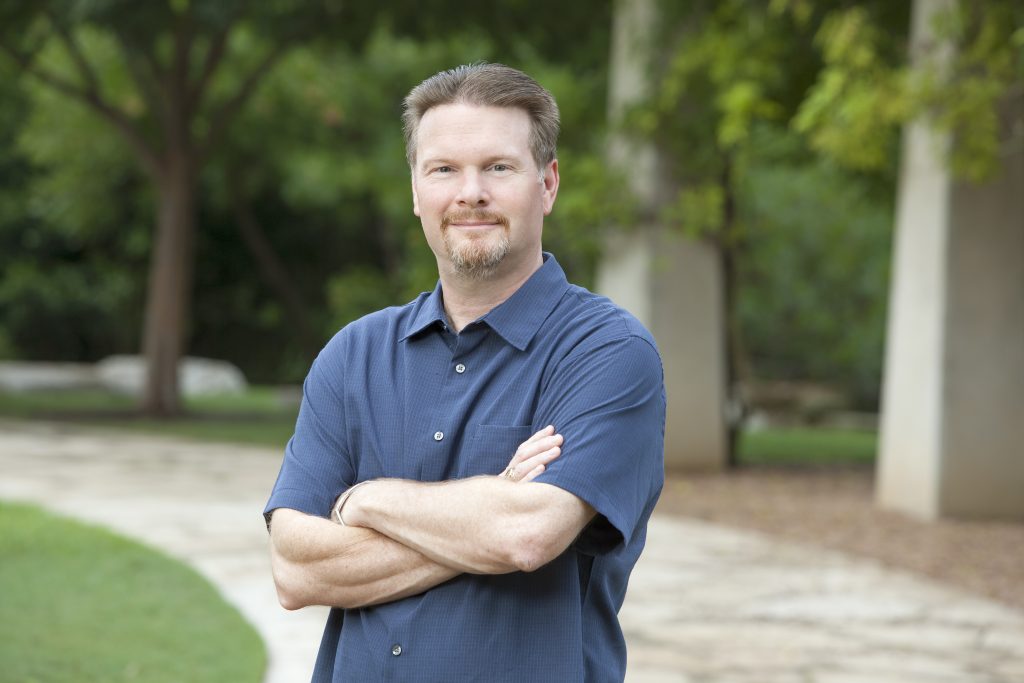
Alan Mackey, Project Director and CPSI
What inspired you to pursue a career in landscape architecture and planning?
I originally wanted to be an architect, but a friend who had recently graduated from architecture school encouraged me to explore before choosing a major. I explored the many programs the College of Design offered at Iowa State University, including graphic design, art, and urban planning, before settling on landscape architecture. It offered the creative elements I loved: creating outdoor spaces, environmentally sensitive designing, and the opportunity to work outdoors.
A few years out of school, I started working for a firm that focused on park and recreation planning and design, and I was hooked. That’s when I knew I’d found the work I wanted to do.
What do you enjoy the most about your role today?
I love designing parks and outdoor spaces that bring people together across generations. Now, in this phase of my career, I also enjoy mentoring younger designers and helping them explore what they’re passionate about. The profession has evolved so much, and it’s exciting to help new voices find their place in it and help bring their visions to life.
This year’s National Park and Recreation Month theme is “Build Together, Play Together.” How does that show up in your work and your life?
At RVi, we work on a variety of project types, but so many of them include an element of play. Whether it’s a public park or a playscape in a master planned community, we’re always thinking about how to design places where people can connect and enjoy the outdoors together.
A big part of that is working closely with our public parks and recreation partners, from early visioning and community engagement to technical design and construction. We collaborate to understand their goals, operational needs, and the unique character of each place so that the end result truly reflects the community it serves.
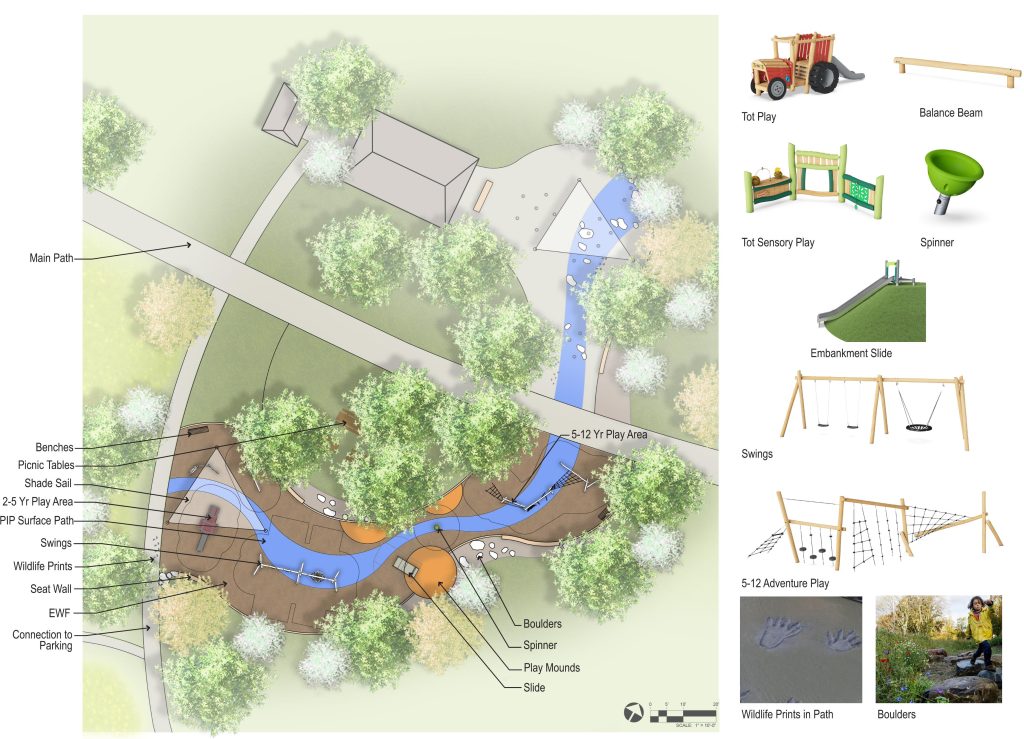
For example, we’re designing a playscape in Waco, Texas, where the surrounding environment is full of wildlife. We brought that into the design with wooden play structures, animal footprints along trails, aquatic-themed elements so that kids can feel immersed in a story as they play. We also focus heavily on inclusivity: age range, accessibility, ability. Our goal is to create environments where everyone can play together, not just side by side.
What inspired you to become a Certified Playground Safety Inspector (CPSI)?
A few years ago, I was working on a playground project where the design used a custom element that connected to more traditional features. We ran into a few safety challenges, and I realized how much we were relying on manufacturers to guide those decisions. I wanted to become more informed so I could better guide our design teams and our clients.
I took a CPSI class through National Recreation and Park Association (NRPA) and became certified. Now, I can spot potential issues early, advise our team during the early stages of design, and collaborate more effectively with manufacturers andthird-party inspectors. It’s made us stronger designers, and ultimately, it helps protect three things: the users, the client, and our own integrity as professionals.
How does your CPSI certification influence your approach to playground projects?
It’s become part of our design process from the start. We think about safety during the schematic phase so we can explore creative options that still meet the standards. We don’t do the official inspections. That has to come from a third party, but having that second-level awareness of safety measures allows us to catch potential issues both in design and in the field, and that’s been a valuable added layer of protection and quality assurance.
Playscapes are places where both kids and adults go to have a fun, positive experience, and it’s our job to create that by paying close attention to safety in our designs.
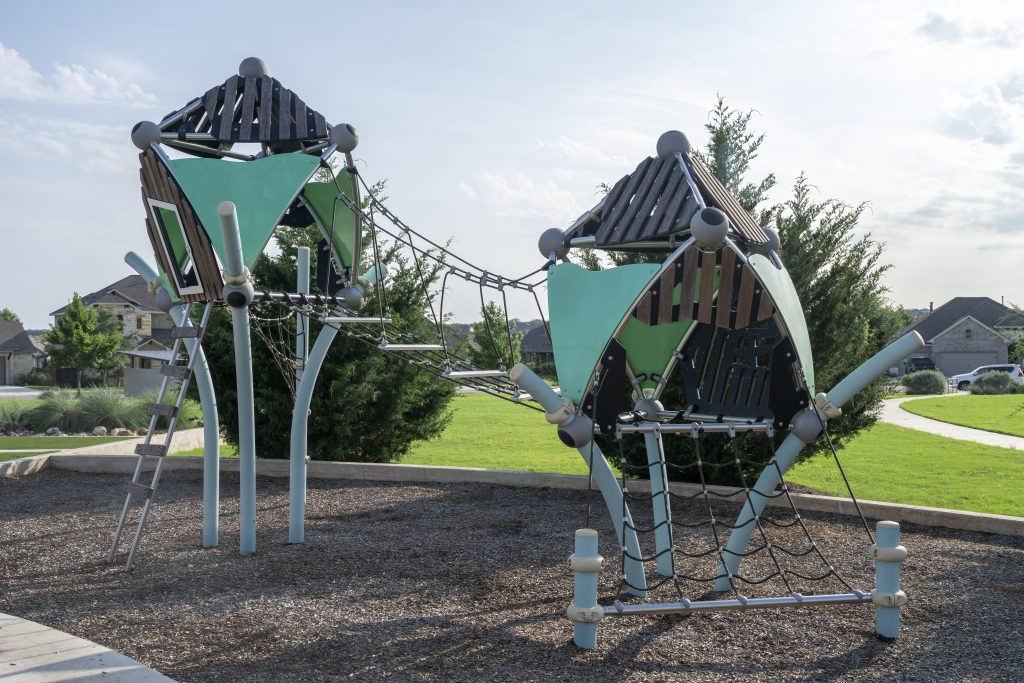
A playscape at La Cima in Austin, Texas, designed by RVi.
What do you wish more people knew about the impact of parks?
Parks often have the least environmental impact of any land use, offering communities a way to connect with nature while helping preserve the existing landscape (native grasses, mature tree cover, and open space). They create meaningful outdoor experiences without contributing to overdevelopment or long-term harm to the environment, and they reflect a commitment to environmental and community stewardship.
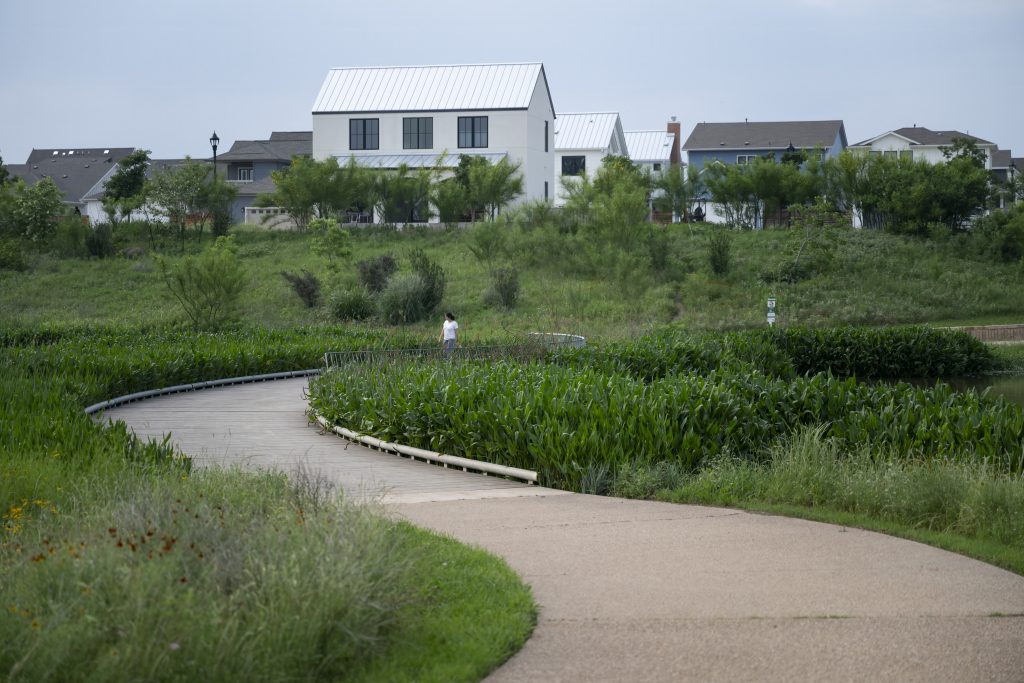
A park in the Mueller Southwest Greenway in Austin, Texas, designed by RVi.
What’s a challenge you’ve encountered in your work?
Sometimes it’s tough to get full buy-in on more creative or sustainability-focused ideas. Many of our clients are on board, but there are still times when we have to explain the long-term values of sustainability that don’t fit a traditional mold.
In the public sector, funding and timelines can often be tight. But working together with our public partners, we’ve found ways to balance innovation with feasibility, telling the story behind a design and building trust through collaboration. That’s where RVi shines, we know how to connect the dots between community vision, technical realities, and lasting value.
Why did you choose to join RVi?
When I moved to Texas in 2014, I saw that RVi had a dedicated Parks & Recreation division, that sealed it for me. I’ve since worked on a wide range of project types, including master planned communities, which gave me new insight into how parks function as essential community amenities. That perspective has only deepened my appreciation for great park design.
Fun fact: What’s something your colleagues might not know about you?
I sang in the church choir in high school, and in college, a friend in my dorm was in the men’s glee club. They were short on members, so he asked me to join, and I said sure, why not? So I was a singer and glee club member for two years and had a great time.
Final Thought
Alan’s work reminds us that building spaces for play isn’t just about fun. It’s about trust, inclusivity, stewardship, and thoughtful design. His deep commitment to safety and mentorship helps ensure that the parks and playscapes we create, in partnership with our clients and communities, aren’t just places to gather, but places where communities of all ages feel welcome, protected, and inspired to explore. That’s what “Build Together, Play Together” truly looks like in action.