From environmental science to urban planning, Marie D’Addario brings a passion for sustainability, equity, and community connection to her work.
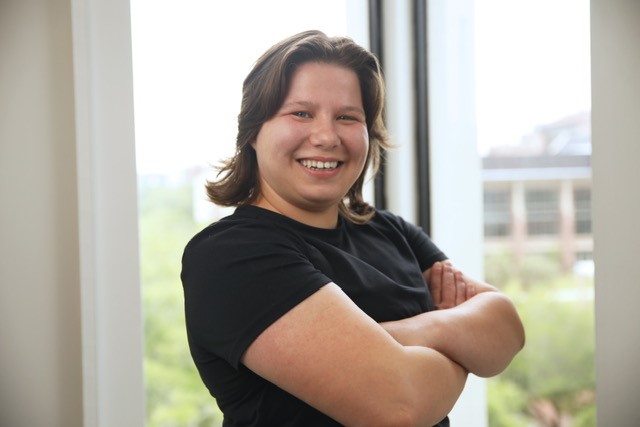
Marie D’Addario is a Planning Associate based in RVi’s Sarasota, Florida office. Her journey into planning was sparked by a love of the environment and a desire to create meaningful spaces for people. In this Employee Spotlight, Marie shares what drew her to planning, how her environmental background shapes her perspective, and why collaboration and community input are key to building places that thrive.
What inspired you to pursue a career in planning?
Planning was recommended to me while I was working on my bachelor’s degree in environmental science. I took one planning class and immediately loved how it blended my interest in the natural world with my desire to shape meaningful spaces. That experience inspired me to pursue a master’s in urban and regional planning where I discovered a passion I didn’t know I had.
Planning is everywhere. It influences how we live, work, move, and interact with the world. It’s an honor and a privilege to be part of shaping that experience. I’ll always be grateful to my environmental science capstone professor who introduced me to this path.
What’s been the most challenging part of your career so far?
I completed my master’s in 2024 and joined RVi shortly after, so one of the biggest challenges has been translating theory into real-world practice. In school, you’re working with hypothetical scenarios, but now, the work I do directly influences communities and the built environment. It’s a big shift, but also a meaningful one. I’m fortunate to be surrounded by a talented, experienced, and supportive team, especially within RVi’s Florida planning group. Spanning multiple jurisdictions across the state, they’ve been instrumental in helping me navigate the transition from academia to practice and continue to support my growth as a planner.
Another challenge has been navigating the political nature of planning. Our work is often subject to public scrutiny, and balancing the interests of the public, clients, and local politics can be delicate. It’s something you really only learn on the job.
What has been your favorite or most memorable project so far?
The City of LaBelle Comprehensive Plan update has been the most rewarding so far. These long-range plans shape development for the next 20 to 40 years, so they have real power to impact a community’s future. We held a public workshop in May, and hearing directly from residents about their hopes for their city was truly inspiring.
That’s one of the things I love about planning–it’s about the ecology of human relationships and how people interact with their built environment. Our role is to make sure that environment serves them. LaBelle has been a great reminder of how planning is ultimately about people.
You mentioned that you have a bachelor’s degree in environmental science. How does that influence your work as a planner?
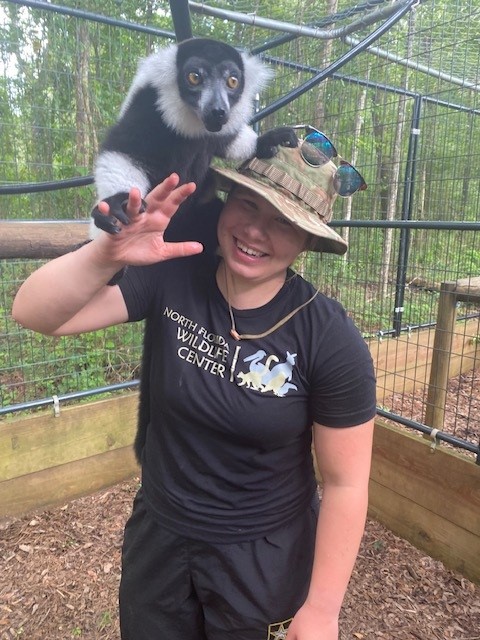
A lot! As an undergrad, I interned and volunteered in invasive species control, plant identification, trail maintenance, and endangered species care, mostly through the North Florida Wildlife Center. That experience deepened my appreciation for the natural world.
During my master’s program, I served as a graduate research assistant focused on community resilience and climate adaptation—particularly in international communities that had experienced structural racism, disinvestment, and a lack of representation in decision-making processes. These intangible barriers significantly limited their ability to respond to climate change events. Our research explored the intersection of climate planning, food sovereignty, and community empowerment, and it underscored how deeply environmental issues are tied to social equity. The stories we encountered from these communities were both inspiring and humbling.
I truly believe the future of planning lies in harmonizing environmental stewardship with thoughtful, inclusive design. Everything from housing and transportation to green space and the natural environment needs to coexist in a way that supports both current and future generations. We can create communities that are not only functional and connected but also resilient and sustainable over the long term. That’s why I’m passionate about integrating environmentally conscious principles into every project I work on, because meaningful planning should support both people and the environment.
What is your experience with coastline preservation? What do you wish more people knew?
During grad school, I specialized in international coastal resiliency. I learned that while erosion is a natural process, it’s been worsened by encroaching development, rising sea levels, and extreme weather. The result is damage not only to habitats, but also to infrastructure and communities.
We need sustainable land use practices and community resilience strategies to reduce long-term harm and prevent displacement. The more people understand these challenges, the better equipped we are to protect our coasts for both people and nature.
What’s one small thing people can do to be better environmental stewards?
Volunteer in your community! Whether it’s a beach cleanup, helping at a wildlife shelter, or maintaining local trails, these actions make a real difference. You’ll learn a lot and see firsthand how consistent, small efforts can positively impact your community and the environment.
What do you enjoy the most about being a planner at RVi?
Definitely the people. Our Florida planning team is spread across multiple jurisdictions, which creates a unique and collaborative dynamic. Everyone brings different strengths to the table, and we genuinely support each other.
I also love working on public sector projects and developmental reviews. Getting to collaborate with other planners and help shape projects that benefit entire communities is really fulfilling.
What are some of your professional goals in the next five years?
I want to continue learning and growing as a planner. I’m currently preparing to earn my AICP certification, which is a big milestone. I’ve also been taking on more project management responsibilities. Those two things are helping me train for the next step in my career as an associate project manager.
What is a fun fact that your colleagues might not know about you?
I’ve had the chance to work with some pretty fascinating animals! During my time in conservation and endangered species, I cared for a red kangaroo named Marlu (yes, in Florida!), a Eurasian griffin vulture with a nine-foot wingspan, and several lemurs including black and white ruffed lemurs that loved to perch on my shoulder, despite being the second-loudest primates on Earth. It was an incredible experience and gave me a deep respect for the animal world.