
At RVi, we believe creativity doesn’t clock out at 5 p.m. What we pursue outside of the office often shapes the work we do within it. As part of our celebration of World Landscape Architecture Month, we’re highlighting how our team’s creative pursuits beyond their desks inform their approach to design, problem-solving, and placemaking.
In this Employee Spotlight, we talked to five landscape architects at RVi about their creative hobbies, how those interests have influenced their work, and why creativity is such an essential part of the profession.
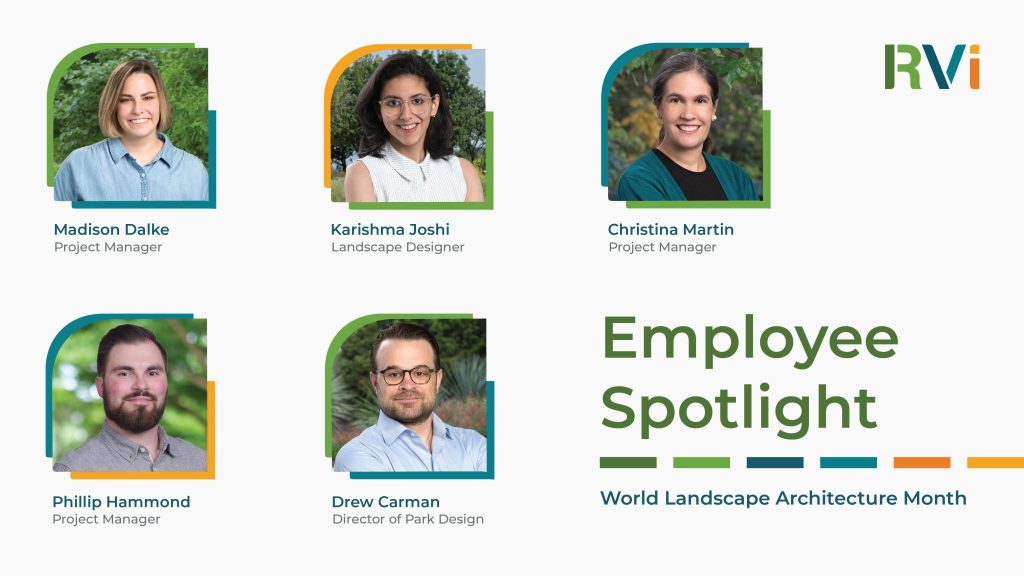
Meet Project Managers Christina Martin, Phillip Hammond, and Madison Dalke; Landscape Designer Karishma Joshi; and Director of Park Design Drew Carman.
What inspired you to pursue a career in landscape architecture?
Christina: I first studied biology with an interest in ecology and environmental studies, but realized I wanted to see the results of my efforts sooner and spend more time outdoors. Landscape architecture allowed me to do both, and apply my knowledge of biology while making an impact.
Phillip: In high school, I wanted to be an architect or engineer. However, I grew up in the country and always had a desire to connect architecture to nature. After learning this about me, my college advisors introduced me to landscape architecture. I changed my major an hour later and never looked back.
Madison: I was really into art and knew I wanted to do something creative, yet practical. I learned about landscape architecture as I toured my college, and it seemed experiential with a connection to the outdoors.
Karishma: I used to be an architect. That experience taught me that buildings don’t stand in isolation—they must also relate to their environment. I pivoted toward landscape architecture to learn how we could use the land as we build, and how to use it responsibly.
Drew: My dad and uncle are both landscape architects, so I knew about the profession early on. Initially, I was drawn to environmental science, which was my first job after college, but I wanted more creativity in my work. Landscape architecture is the perfect marriage of environmental science and art.
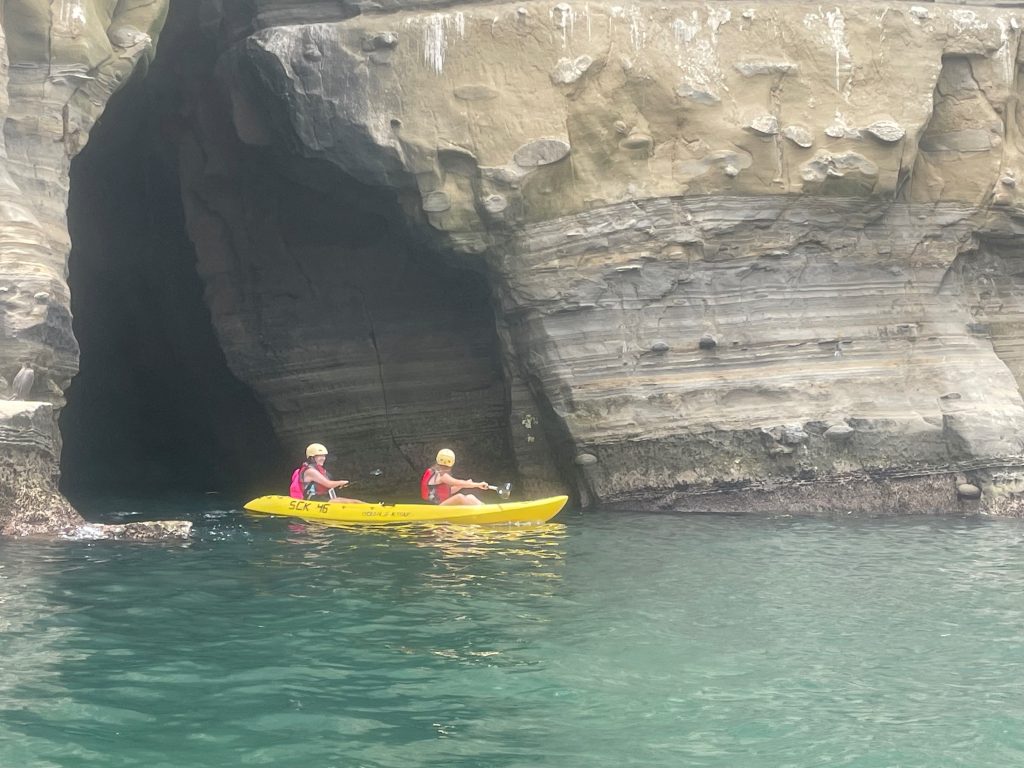
Christina Martin’s time outdoors with her daughter’s Girls Scouts troop have influenced the way she understands and designs outdoor spaces.
Why is creativity important in landscape architecture?
Phillip: Every site has its own nature and spirit, and it’s important to create a story for each place to prevent a bland cookie-cutter experience. We want to honor what was first there, while understanding that its current purpose may change in the future. I think that’s our calling as designers—to honor and respect a place and find creative solutions for its future.
Karishma: Since we can’t predict the future, every project becomes a creative challenge. Creativity, combined with the emotion you feel in a space, adds to the richness of what we do.
Drew: We create compelling outdoor experiences that make people want to come back. If the design isn’t engaging, it won’t invite people to return. Creativity is how we solve challenges in beautiful, meaningful ways.
What creative hobbies do you have, and how has it influenced your work?
Christina: My daughter is a Girl Scout and I’m a Scout Leader. We spend a lot of time outdoors, and I get to observe how people interact with spaces—from people in wheelchairs to different family dynamics.
Phillip: I love cycling and exploring trails without relying on roads or cars. It helps me think about how to connect the built and natural environments. I also have 30 houseplants, which has taught me about trial and error, persistence, and research—all essential skills in landscape architecture.
Madison: I’ve been writing and illustrating children’s books for my nieces and nephews. It combines storytelling with a bit of world-building, which parallels what we do as landscape architects.
Karishma: I enjoy urban sketching, especially capturing buildings in their landscape context when I travel. It helps me better understand scale and proportion in my work.
Drew: I’m a musician, painter, and sculptural artist. All creative outlets involve working through ideas, challenges, and ambiguity—a process that translates directly to landscape architecture and vice versa.

Drew Carman’s music and art center around themes of nature, which help inspire his landscape architecture work.
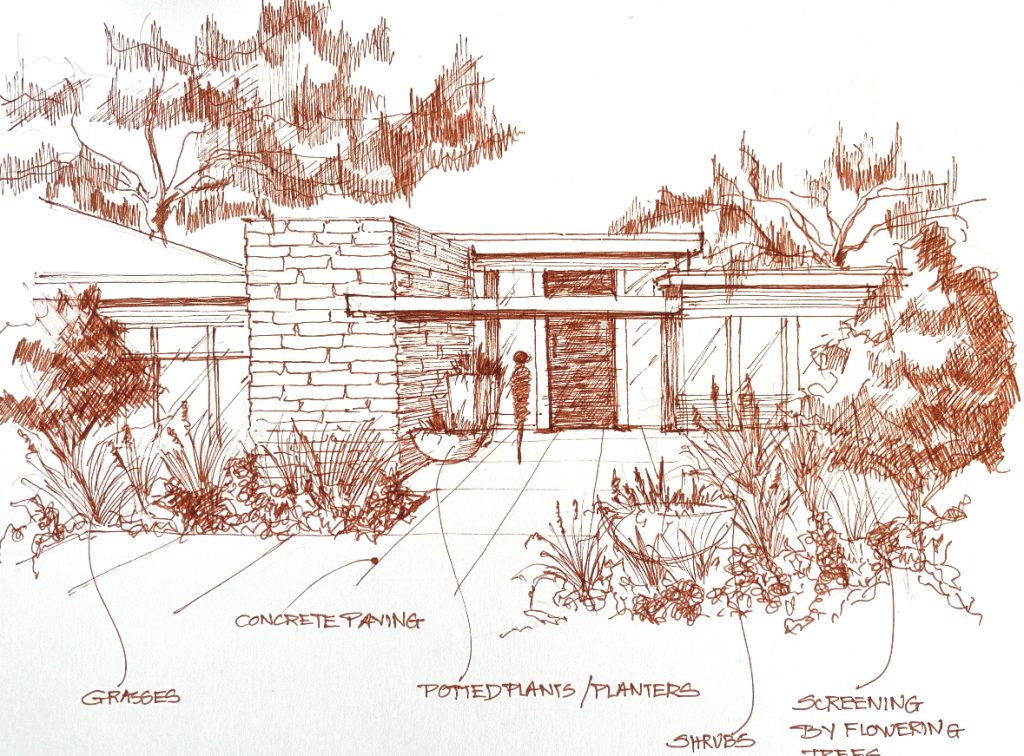
Karishma Joshi loves simple pen and ink sketches of urban landscapes to better understand design fundamentals like scale and proportion.
In the office, how do you keep your creativity flowing?
Madison: I like to put on a good podcast or music to block out distractions and get into a flow state.
Karishma: I use Pinterest to gather ideas and regularly check out ASLA award-winning work. I also like getting feedback from friends in other industries for a fresh perspective.
Drew: We’ve done improv classes, which help us stay open, collaborative, and flexible. I’ve also painted murals in our office because I believe a sterile space encourages sterile work. Our environment should reflect the creativity we want to produce.
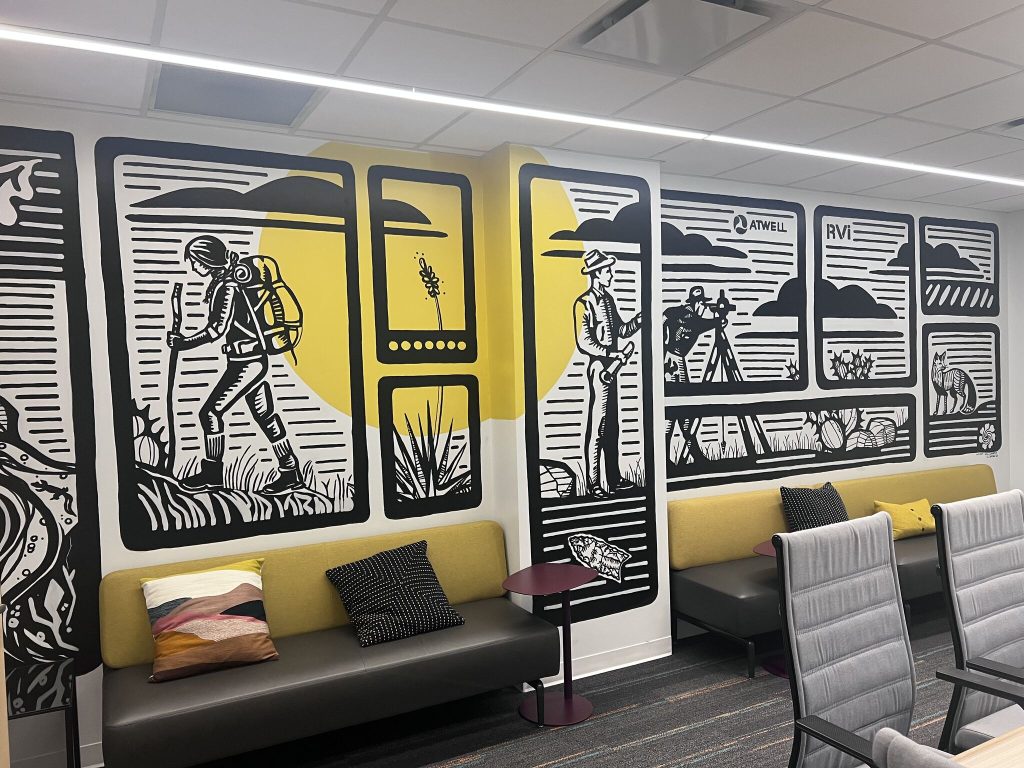
Where others see bare walls, Drew sees a canvas! His murals have added a pop of inspiration to the walls of RVi’s Austin office.
What unexpected lessons or revelations have you learned through your work in landscape architecture?
Christina: Landscape architects understand systems and how to improve sites. We are at the intersection of improving the built and natural environment. The more I learn, the more I see how many ways there are to solve problems. That’s made me more confident leading projects.
Karishma: I’ve learned that you have to believe in yourself before others will believe in your ideas. Driving innovation can face pushback, but you can’t let that initial fire die out.
Madison: Doing work that allows me to express my creativity has given me the confidence to pursue other goals in life I might not have gone after otherwise.
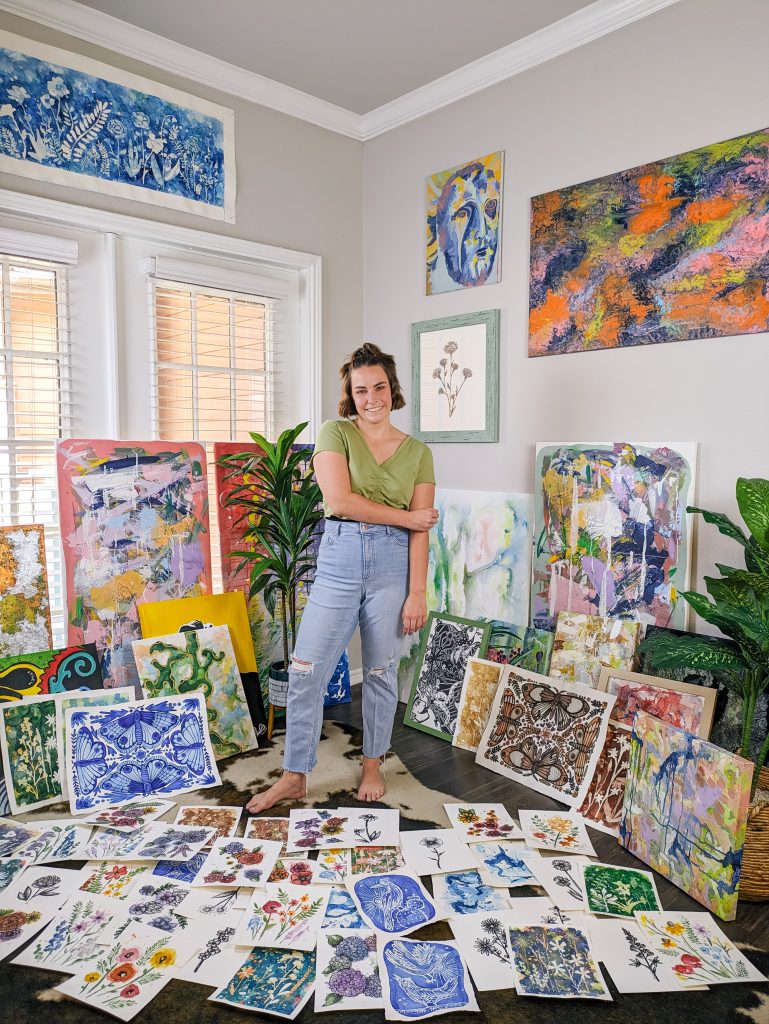
Madison Dalke among her many vibrant illustrations that inspire her storytelling and world-building in landscape architecture.
How can leaders encourage and foster creativity on their teams?
Drew: Have conversations about design and creativity often. Make creativity part of your check-in meetings. Ask your team what inspires them, what they’ve seen lately, or what they’re curious about. And give them space to take creative risks. When you push the limits, it’s okay to fail. It’s easier to dial creativity back than to try and pull more out.
At RVi, creativity flows from personal passions to professional practice. As we celebrate World Landscape Architecture Month, we honor not just the places we design—but the creative spirits that shape them.